Dentistry has evolved far beyond traditional tools and manual techniques. Today’s clinics rely on a combination of precision instruments, advanced materials, and efficient workflows to deliver faster, safer, and more predictable results. While clinical skills remain at the core of dental care, the role of modern dental supplies in shaping outcomes is more important than ever.
The Shift Toward Efficiency in Dental Clinics
One of the biggest changes in recent years is the growing emphasis on efficiency. Dental professionals are managing higher patient volumes while maintaining strict standards of care. This has led to increased reliance on materials and tools that simplify procedures without compromising quality.
For example, temporary filling materials and fast-setting cements reduce chair time significantly. Similarly, pre-packaged and ready-to-use solutions minimize preparation steps, allowing clinicians to focus more on patient care rather than setup.
This shift is not just about saving time—it also improves consistency, ensuring that treatments deliver predictable outcomes across different cases.
Material Innovation and Patient Comfort
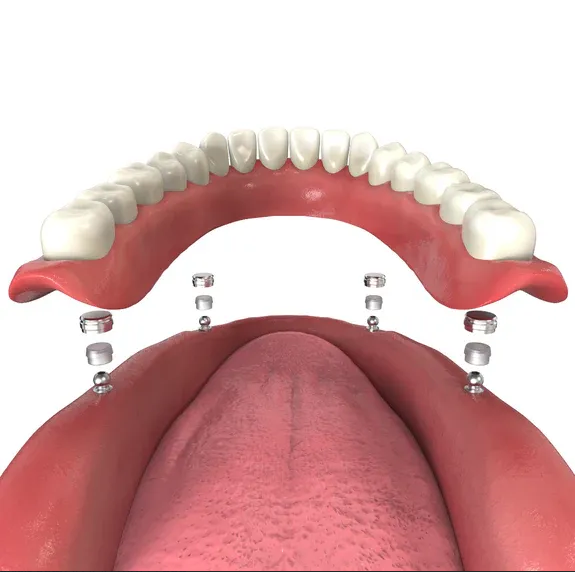
Modern dental materials are designed with both durability and patient comfort in mind. From resin-based cements to flexible implant systems, innovations are making procedures less invasive and more adaptable to individual patient needs.
Take orthodontic anchorage systems like mini-implants (TADs), which provide better control during treatment without requiring extensive surgical procedures. Likewise, advancements in dental cements ensure stronger adhesion while reducing post-operative sensitivity.
These developments are particularly important as patient expectations continue to rise. Today’s patients are not only looking for effective treatments but also for experiences that are comfortable and minimally disruptive.
The Role of Specialized Tools in Precision Dentistry
Precision is a defining factor in successful dental procedures, and specialized tools play a crucial role in achieving it. High-quality burs, for instance, allow for accurate shaping and finishing, which is essential in restorative and prosthetic work.
Similarly, endodontic tools and materials have seen significant improvements, enabling more effective cleaning, shaping, and sealing of root canals. These enhancements reduce the likelihood of complications and improve long-term success rates.
As dental procedures become more advanced, the need for reliable, purpose-built tools continues to grow.
Standardization and Compliance in Dental Supplies
Another important aspect of modern dental practice is adherence to regulatory and safety standards. Clinics must ensure that all materials and equipment meet strict medical guidelines, not only for patient safety but also for legal compliance.
Using standardized, certified products helps maintain consistency across procedures and reduces the risk of adverse outcomes. It also builds trust with patients, who are increasingly aware of the importance of safety and hygiene in healthcare settings.
Digital Integration and Workflow Optimization
The integration of digital tools is also influencing how dental supplies are used. Digital impressions, CAD/CAM systems, and guided implant procedures are changing how clinics approach treatment planning and execution.
These technologies require compatible materials and tools that can seamlessly fit into digital workflows. As a result, suppliers are increasingly offering products designed to support both traditional and digital dentistry.
This combination of digital and physical innovation is helping clinics achieve greater accuracy while reducing turnaround times.
Choosing the Right Supplies for Long-Term Success
Selecting the right dental supplies is not just about cost or convenience—it directly impacts treatment outcomes, patient satisfaction, and overall clinic efficiency. Dentists and lab professionals must consider factors such as material quality, ease of use, compatibility, and reliability.
A well-curated supply system ensures that clinicians are prepared for a wide range of procedures, from routine treatments to complex cases. It also allows for smoother workflows, reducing delays and improving patient experience.
For professionals looking to explore a wide range of modern dental materials and tools, understanding how different products fit into clinical workflows is key. Platforms like At WholeDent offer a broad perspective on how diverse supplies can support different areas of dentistry.
The Future of Dental Supplies
Looking ahead, the dental industry is likely to see continued innovation in materials, tools, and digital integration. Biocompatible materials, AI-assisted diagnostics, and more efficient manufacturing processes will further transform how dental care is delivered.
As these advancements unfold, staying informed about new developments in dental supplies will remain essential for professionals who want to provide high-quality, patient-centered care.